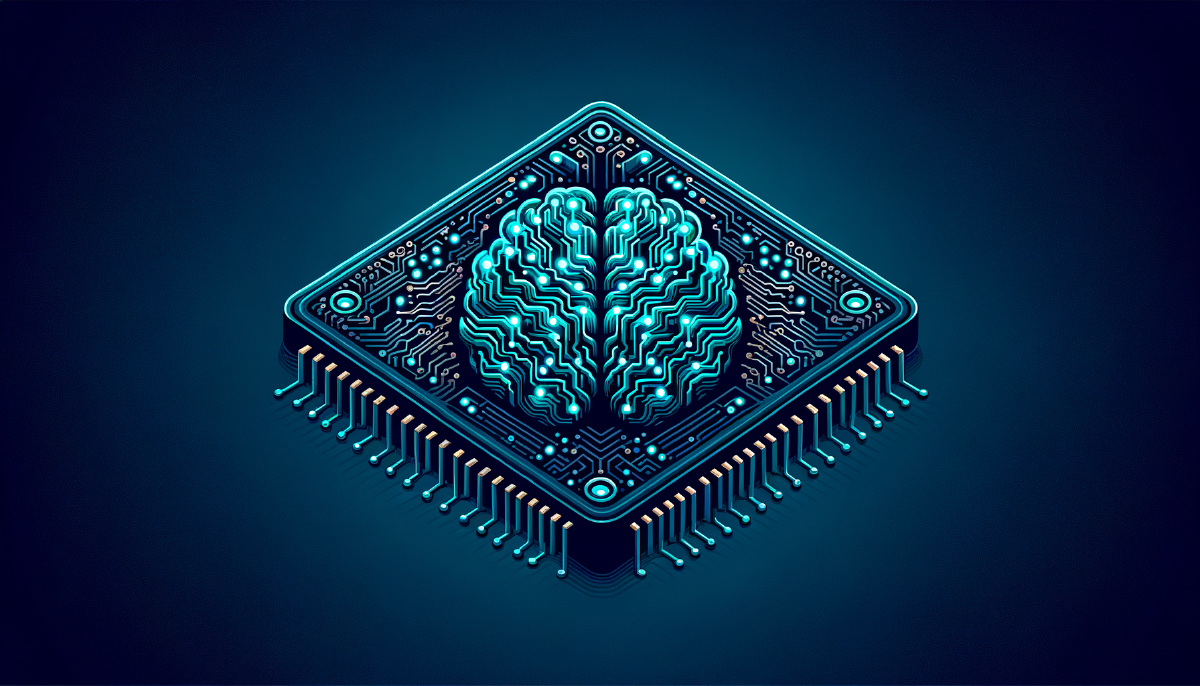

In the midst of the AI revolution, neuromorphic computing fuels the possibility of reaching singularity, or general AI. Inspired by the human brain, this technology promises to revolutionize our conception of what we have so far considered intelligent life.
What is Neuromorphic Computing?#
It is an approach that emulates the brain’s neural networks to improve the efficiency and adaptability of traditional computing technologies based on the Von Neumann architecture. Chips like IBM’s TrueNorth and Intel’s Loihi exemplify this technology, allowing parallel task processing, consuming less energy, and adapting to new tasks, much like how the human brain learns.
Key Applications#
- AI and ML: Enhancements in image and voice recognition, and predictive analysis.
- Robotics: More efficient and natural interactions, almost “human” robots.
- IoT: Smart devices that autonomously respond in real-time.
A Future of Unlimited Possibilities#
From enhanced AI capabilities to future integration with quantum computing, the potential of neuromorphic computing is immense. IBM, Intel, and leading universities are at the forefront of this development, paving the way toward technology that will offer nearly unlimited possibilities and raise unprecedented ethical challenges.
Conclusion#
Neuromorphic computing not only redefines what is possible in technology but also aligns computational capabilities with human cognitive processes, opening the doors to an exciting and uncertain future.